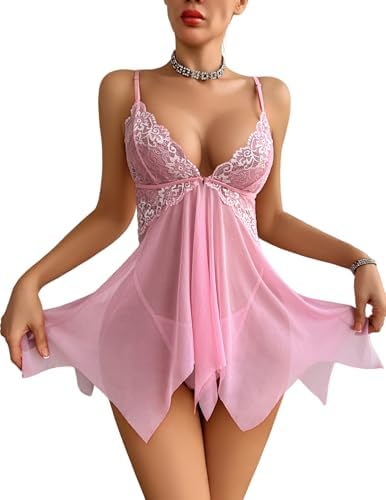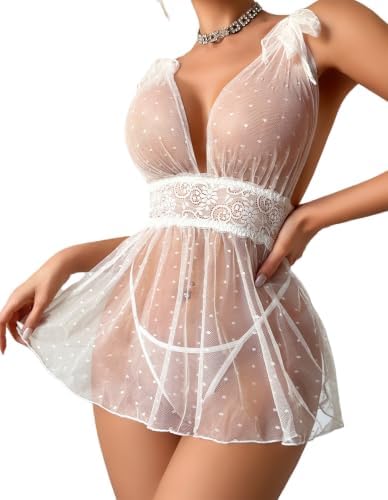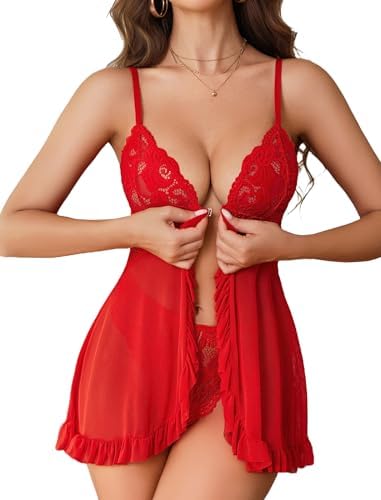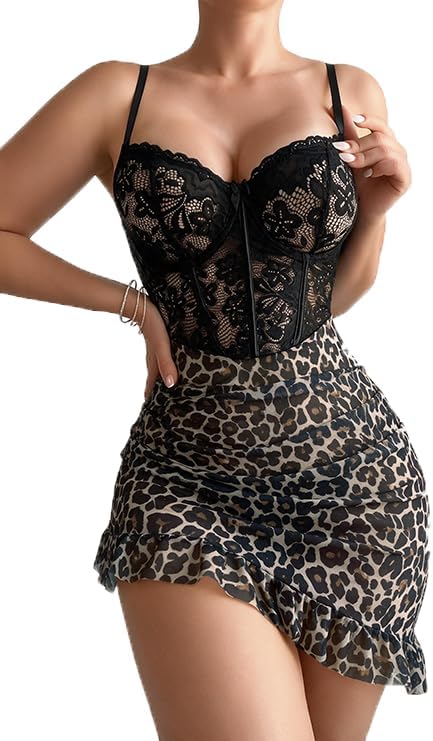
Stretch lace gives directional support
Stretch lace relies on elastane blended into polyamide cord yarn. The tension sits horizontally across the bust band, holding cups flat without underwires or boning inserts. It expands up to forty percent under load before pulling tight. Edge scallops sit flush along the clavicle because the knit density increases along the outer border, preventing roll.
Over several hours, body heat softens the knit yarn slightly. The cup molds to your shape rather than flattening natural curves. Seams stitched with woolly nylon thread stretch alongside the open lace pattern, so stitching does not bite into ribs. Wash bags prevent the open loops from catching on bra hooks during machine agitation cycles.
Unlined mesh maximizes airflow
Fine gauge mesh weighs less than eighty grams per square meter. The hex-net construction stays off the skin, circulating room air across the torso without absorbing ambient moisture. It holds almost zero water weight. Because the fabric contains high nylon content, it will not cling to cotton bed sheets during sleep transitions throughout the night.
Mesh offers sheer visual coverage with minimal mechanical hold. The material stretches in four directions, but recovery is gentler than standard lace bands. Side seams in mesh babydolls prevent cross-body distortion by anchoring the fabric at the ribcage. Gentle cycle washing in cold water preserves the elastic recovery of the micro-mesh ground.
Woven satin requires bias drape
Woven polyester satin contains zero structural stretch. The smooth face comes from long filament floats that reflect overhead light, while the back side stays matte against bare skin. To move around curves, pattern makers cut the front panels on a forty-five-degree true bias. This angle lets the rigid weave slide across the hips diagonally.
A bias cut satin chemise drops straight down until it hits the bustline. It does not stretch across shoulders or chest seams, so strap adjusters are essential for precise armhole clearance. Static cling can happen in dry winter air, but washing with a small amount of fabric conditioner stops synthetic fibers from sticking to legs.
Modal knits provide consistent weight
Modal knits use reconstituted beechwood cellulose spun into fine, dense yarns. The fabric feels cool upon initial contact and absorbs twice the moisture of basic carded cotton. It drops straight down in heavy, fluid folds rather than flaring out like rigid tulle. The jersey structure offers natural mechanical give across the back panel and shoulders.
The knit stays soft through repeated laundering. It resists pill formation along friction zones like the underarm and inner thigh seams. Because modal is heavy, long chemises will lengthen slightly over a full day on a hanger. Storing these pieces flat in a drawer keeps the shoulder straps from stretching out permanently over time.
Comparing recovery across long wear
Stretch lace and modal knit bounce back to their original dimensions quickly after waking. Mesh retains its shape well, though continuous tension at the empire seam can show minor slack over twelve hours of continuous wear. Satin does not distort at all, provided the garment measurements match your widest point with some functional ease.
Choosing a material comes down to support versus fluid motion. Lace offers structure around the neckline and underbust without added hardware. Modal gives opaque coverage and insulation against cool drafts. Mesh provides ventilation for warm sleepers, while bias-cut satin glides silently over mattress fabrics without bunching up at the waistline.
Modal knits yield evenly across pressure points, while non-stretch satin relies entirely on bias cutting to skim hips cleanly.