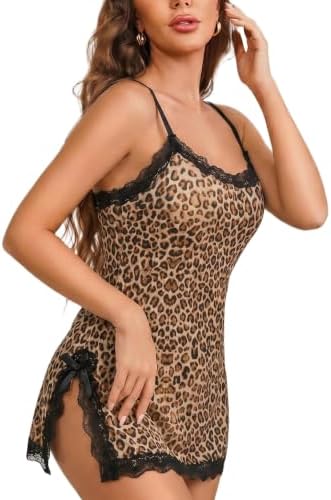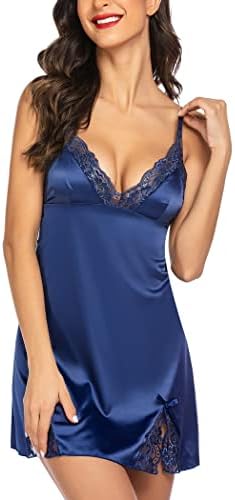
Fibers that breathe versus synthetic satin
Cotton and modal yarn draw moisture away from skin through microscopic channels in natural cellulose. The weave allows warm air to rise away from your body while you sleep. Modal knits drape close to the skin without clinging, giving a cool initial hand feel. Washing modal requires cool water to prevent the cellulose fibers from swelling and losing their soft surface texture over time.
Polyester satin uses solid extruded filaments that do not absorb liquid water. Heat stays trapped between the skin and the dense textile surface. The trade off is surface slickness, as satin glides over mattress sheets without bunching. When warmth is your goal during cooler months, polyester satin traps air effectively. For warm rooms, open modal knits provide continuous ventilation.
Why side slits affect cooling
A hemline falling at the ankle can trap heat like a chimney if the circumference is narrow. A side vent measuring eight inches changes that pattern. Slits release the warm microclimate around the calves every time you shift position. This mechanical ventilation often lowers skin temperature more than shortening a solid hem by four inches.
Fabric weight dictates how wide a vent will spread. Lightweight modal knits fall back into place after movement, keeping coverage consistent. Woven satin panels stay separated along the slit line, leaving the opening wide even while resting still. Look for reinforced bar tacks at the top of the slit so the seam does not pull apart under lateral stress.
Strap widths and shoulder pressure
Spaghetti straps cut from round cord press directly into the trapezius muscle. These narrow cords measure roughly one eighth of an inch wide. They work well on loose nightgowns that weigh under six ounces. When the gown incorporates a heavier gathered skirt or a shelf lining, narrow straps can twist or dig into your shoulders during the night.
Flat ribbon straps measuring one half inch wide distribute the garment weight over a broader surface area. Flat webbing remains seated against the skin instead of rolling into a tight cord. If you sleep on your side, look for metal sliders placed near the back neckline rather than resting directly on top of the shoulder joint.
Seam placement along the torso
Side seams with raw overlock stitching can cause friction when pressed between your ribs and the mattress. Premium nightwear often shifts the structural seams forward toward the princess line. This layout keeps the lateral side smooth and flat. Flatlock stitching offers another solution by joining fabric edges flush without a raised internal ridge.
Loose chemise cuts minimize torso contact entirely by falling straight from an empire seam. Bias cut patterns stretch diagonally across the torso without requiring elastane yarn. This diagonal give accommodates movement while keeping the fabric light and open to airflow.
Care steps for sleepwear longevity
High dryer heat degrades elastane threads woven into stretch modal knits. The elastic breaks down, causing hems to ripple and lose their shape. Hang drying preserves the stretch recovery of knit fabrics and prevents pilling on the yarn surface. Wash dark and light colors separately to keep cellulose dyes bright.
Polyester satin tolerates machine agitation better than modal but can snag on zipper teeth and hooks. Place delicate sleepwear items inside a mesh wash bag before starting the cycle. Ironing satin requires a low synthetic setting to prevent melting the outer filament fibers.
Side vents allow the skirt to separate with natural movement, venting warm air trapped around your legs.