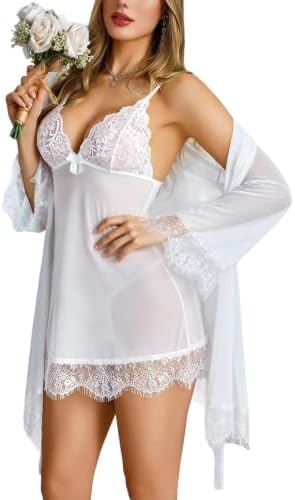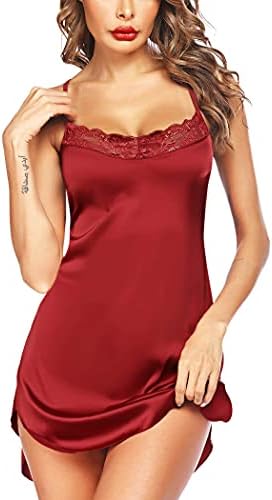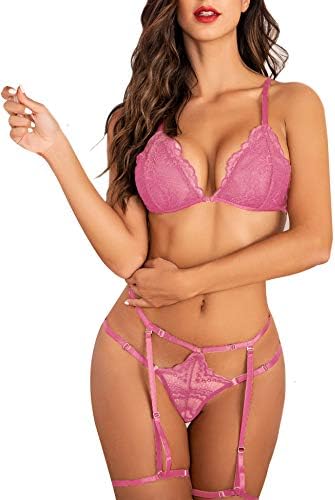
Component counts across matched sets
Two piece sets pair an outer robe with a matching undergarment, usually a chemise or a brief. Three piece arrangements add a soft bra or an extra underlayer into the package. Fabrics remain consistent across every piece in a single bundle, matching mesh to mesh or satin trim to satin borders. This creates a uniform finish across all layers without color mismatch.
Check the product breakdown to confirm which inner pieces are included. Some sets supply a sheer nightgown underneath, while others substitute a minimal triangle bralette. Knowing the base layer helps you determine whether the set functions as sleepwear or layered loungewear before you select a size.
Sleeve construction and hemline geometry
Kimono cuts rely on wide, rectangular sleeve panels dropped low on the armscye. The sleeve opening often measures between ten and fourteen inches flat, allowing the fabric to clear the wrist without catching. Edges feature stitched lace trims or folded satin bindings to weigh down the sheer mesh. That extra weight prevents the thin hem from rolling inward during movement.
Robe bodies fall straight from the shoulder seam to the lower edge without waist shaping. Hem lengths range from upper thigh on short sets to mid-calf on long variants. Because sheer chiffon and lace lack heavy drape, the hem stays wide and loose around the knees rather than tapering toward the legs.
Sash placement and belt loops
The belt anchors the entire outer garment. Belt loops are sewn directly into the side seams, positioned roughly an inch above the natural waistline on most patterns. This high placement keeps the front panels crossed flat across the chest rather than gaping open. The satin or lace sash measures around two inches wide to spread tension evenly across the fabric.
Thread the sash through both loops and knot it firmly without over-tightening the side seams. Fine mesh can pull or tear if a narrow ribbon belt is tugged with excessive force. Some designs omit loops entirely, relying on inner ties to secure the overlap before you knot the primary outer belt.
Comparing slips against robe sizes
Sizing disparities happen when one label covers two different garment cuts. The robe features a loose wrap profile with several inches of built-in ease, but the inner chemise follows body contours closely. Look at the bust and hip measurements of the slip rather than relying on the outer robe span. A generous robe can easily hide a tight underlayer.
Adjustable shoulder straps on the slip help align the bust darts properly. Shortening the straps raises the neckline, which prevents the inner piece from extending below the front lapels of the outer robe. If your hip measurement sits between sizes, choose the larger option so the undergarment hangs freely without pulling across the back.
Fabric handling and laundry steps
Polyester lace and sheer nylon mesh require cold water cycles to preserve their shape. Place both the robe and the inner pieces into a mesh laundry bag before washing. This stops the belt loops and narrow shoulder straps from snagging on the washing machine agitator or catching on hooks.
Skip the heated dryer entirely. Synthetic sheer textiles hold very little water and dry within an hour on a flat rack or wide hanger. High heat weakens the thin elastic strands woven into the lace trims and warps the flat satin borders along the collar and cuffs.
Check the inner slip bust measurement directly against the robe chest width because tiered garments often share one size label.